Hot! Porsche: What's Next

Trending discussions, standout car designs, major automotive developments, industry shifts, reviews, and topics generating strong community interest.
Similar to why the 718 Spyder is offered with flat-4 perhaps?
The 718 Spyder has never been offered with a flat-4.

Upon launch, 982 Boxster and Caymans were offered with 2.0 & 2.5 litre flat-four turbos. These replaced the NA 2.7 and 3.4 litre flat-sixes and the customer backlash was considerable. Car-for-car, the turbo 4s were significantly faster than the predecessors they replaced. Unfortunately, the engines' comparative lack in character turned buyers away. Hence the release of the 4.0 GTS models to bolster the appeal of the platform during the run-out phase.

EDIT: Humble apologies, you're right. The 718 Spyder was offered in China with a 2.0 litre 4 cyl turbo. Go figure. It probably traumatised me to blank it from memory!

Oh they Will find a way be sure .
I don't see how. There's only so much one can do with NA. Only time will tell.
 
The 718 Spyder has never been offered with a flat-4.

Upon launch, 982 Boxster and Caymans were offered with 2.0 & 2.5 litre flat-four turbos. These replaced the NA 2.7 and 3.4 litre flat-sixes and the customer backlash was considerable. Car-for-car, the turbo 4s were significantly faster than the predecessors they replaced. Unfortunately, the engines' comparative lack in character turned buyers away. Hence the release of the 4.0 GTS models to bolster the appeal of the platform during the run-out phase.

EDIT: Humble apologies, you're right. The 718 Spyder was offered in China with a 2.0 litre 4 cyl turbo. Go figure. It probably traumatised me to blank it from memory!


I don't see how. There's only so much one can do with NA. Only time will tell.
Lacked soul and americans didnt want a hot hatch engine in their porsche.

Thank god for theres no replacement for displacement yank snobs, which forced porsches hand to create a 4.0 GTS.

Now lets see what happens with the EV only replacement vehicles
 
1000047532.webp


1000047534.webp


1000047536.webp


Spotted a 992.2 tonight in LA
 
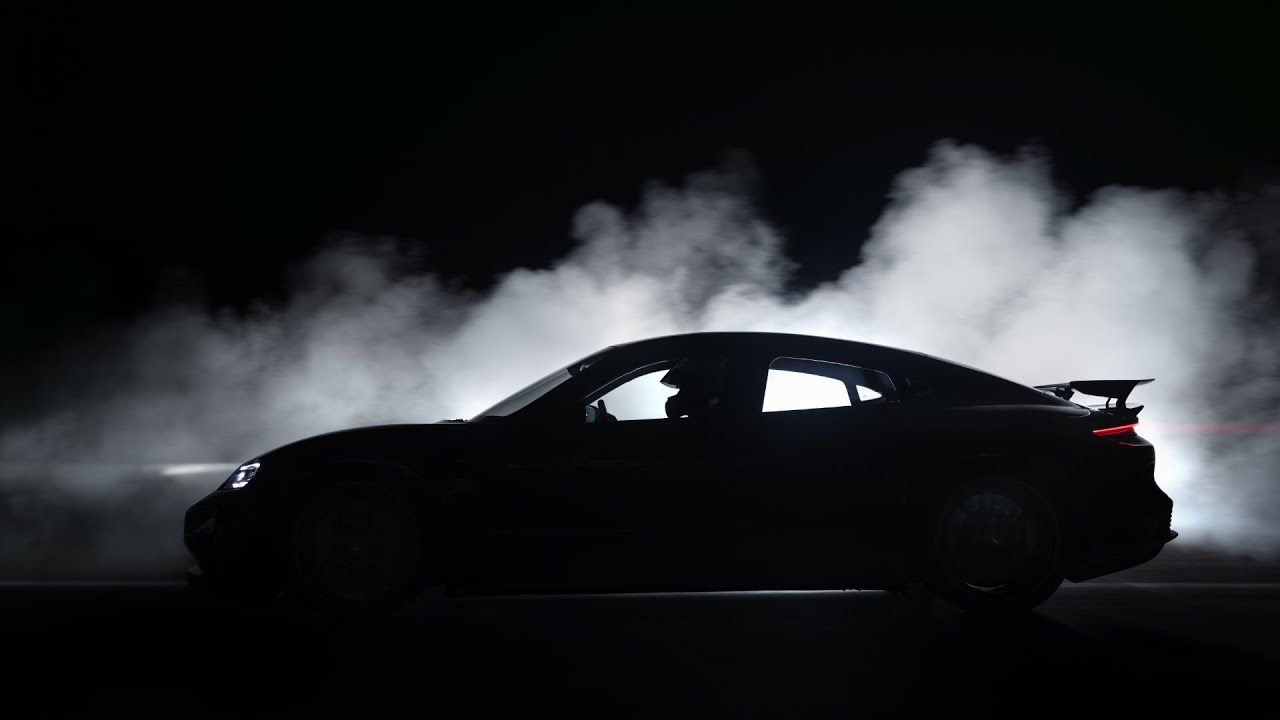
The Porsche Newsroom will broadcast the premiere on March 11, 2024 from 2 pm (CET).

View attachment 723082

Kevin Giek, Vice President Product Line Taycan and Porsche brand ambassador Timo Bernhard present the new Taycan top model together with Porsche development driver Lars Kern. Presenter and Formula E reporter Nicki Shields will be the host.

The Porsche Newsroom will broadcast the event:

Monday, 11 March, 2024
2 p.m. (CET)


Oh thank you Porsche, I have been so eagerly waiting for this car to be launched. A Tesla Model S Plaid killer!!!

To view this content we will need your consent to set third party cookies.
For more detailed information, see our cookies page.
 
Porsche 911 hybrid confirmed for summer 2024!

992.2.webp


Heavily upgraded 911 will add electrified option for the first time

Porsche has confirmed the 911 will gain its first ever hybrid powertrain this summer, as part of a major model update two years in the making.

Due on sale by the end of the year, the ‘992.2’-generation Porsche 911 receives a host of mid-life revisions, including subtly altered exterior styling, a reworked interior and updated six-cylinder petrol engines.

It is one of four new Porsche models arriving in 2024 – one of the German marque's busiest years on record for new product launches – alongside the new Panamera, Taycan and electric Macan.

The changes are intended to sustain the 911’s appeal through to 2027, when an all-new ninth-generation model will join the increasingly electrified Porsche line-up.

The most significant change to the 911 in its sixth decade of production, however, is the adoption of a unique petrol-electric hybrid system.

Set to appear in a new four-wheel-drive model being revealed in the summer, it combines a tuned version of Porsche’s turbocharged six-cylinder engine with a specially designed electric motor housed within the front axle assembly. The petrol engine provides drive to the rear wheels, while the electric motor drives the front wheels.

A 48V integrated starter motor in the dual-clutch automatic gearbox will provide electric boosting properties and power for ancillary components.

The new 400V system is claimed to generate its own energy reserves using the engine as a generator – in a function similar to that of a range-extender drivetrain – as well as via brake regeneration, negating the need for external charging.
Electric energy is stored in a specially developed lightweight lithium ion battery. With an energy capacity well below the batteries used by Ferrari and Mercedes-AMG in their plug-in performance models, it has been configured specifically for rapid energy charge and discharge properties.

Secrecy surrounds the output of the new hybrid drivetrain, though Porsche is eventually expected to offer the new petrol-electric unit in a range of different performance levels. Both Turbo-E Hybrid and Turbo S E-Hybrid models have been mooted for introduction in line with the Cayenne and Panamera line-ups.
Before the eighth-generation 911 bows out later this decade, Porsche is also set to launch an 800bhp-plus hybrid successor to the fearsome GT2 RS.
The new drivetrain has been developed via a technology transfer between Porsche’s production car and motorsport divisions, in combination with Rimac – the Croatian electric drive specialist in which Porsche holds a 45% stake.

The standard Carrera and Carrera S will retain the existing turbocharged 3.0-litre boxer engine, but it is not confirmed whether they will adopt the 48V mild-hybrid system that Porsche has been developing in partnership with Valeo.
However, with tighter emissions standards looming, these models may well receive electrification and a moderate bump in reserves as part of the 911’s facelift.

Sources have suggested that GTS models could adopt the naturally aspirated 4.0-litre six-cylinder engine used by the 718 Cayman GT4 in place of today’s turbo 3.0-litre unit. But Porsche remains tight-lipped on its plans, saying only that future emissions regulations favour higher-capacity engines.

Among the possibilities for the more sporting 911 models is a new 3.6-litre version of the classic six-cylinder Porsche engine, running a single variable-vane turbo – an engine that, insiders suggest, will form the basis of the next-generation 911’s powertrain in 2027.
The low production volumes planned for the successor to today’s 911 GT3 suggest it will retain its naturally aspirated 4.0-litre six, albeit with a moderate lift in reserves.
A fully electric 911 is not immediately planned. Instead, Porsche envisages its long-running coupé and cabriolet progressing into the future with electrified combustion engines in combination with new e-fuel derivatives to provide net-zero emissions.

Enhanced cooling: To boost cooling for the front-mounted radiators and brakes, Porsche has given the new front bumper distinctive air ducts that house five vertical louvres in place of the three horizontal louvres on each side of the existing model. It is most likely that they will incorporate some sort of active operation to better balance cooling and aerodynamic drag. There is also a larger central air duct book-ended by additional cooling channels on either side.

Revised headlamps: Instead of being housed within the top section of the bumper insert, the indicators are now integrated into revised headlight assemblies that feature a new graphic design. As with the units used by the facelifted Cayenne, the new headlights are expected to offer HD matrix LED functionality with more than 32,000 pixels per unit and the capability of lighting the road for up to 600 metres.

Restyled rear end: The updated 911 receives new-look brake lights, integrated into the top of a restyled rear bumper, featuring inboard-mounted tailpipes within a revised diffuser.

Interior upgrades: The changes to the interior of the new 911 are more subtle. Prototypes use the existing dashboard architecture and other features, suggesting that most tweaks will involve software upgrades. Among the expected developments are new digital instrument graphics and the latest Porsche Communication Management system for infotainment functions.

 
Balance 2023
Porsche expects less profitability
MICHAEL GERSTER

In view of low demand on global markets and persistently high investments, Porsche boss Oliver Blume is cautious about the current year. The stock is trading below the issue price. But the E-Macan order figures are optimistic.

Like other automakers, 2024 will likely be a transition year for Porsche. Regarding the outlook, CFO Lutz Meschke was cautious. Taking into account numerous parallel model launches and continued high investments in electromobility and a digital ecosystem, coupled with a weak economy, the sports car manufacturer expects a return of 15 to 17 percent. Last year it was at least 18 percent. The share price then fell and was trading below the issue price of 82.50 euros.
 
Porsche 911 hybrid confirmed for summer 2024!

View attachment 724684

Heavily upgraded 911 will add electrified option for the first time

Porsche has confirmed the 911 will gain its first ever hybrid powertrain this summer, as part of a major model update two years in the making.

Due on sale by the end of the year, the ‘992.2’-generation Porsche 911 receives a host of mid-life revisions, including subtly altered exterior styling, a reworked interior and updated six-cylinder petrol engines.

It is one of four new Porsche models arriving in 2024 – one of the German marque's busiest years on record for new product launches – alongside the new Panamera, Taycan and electric Macan.

The changes are intended to sustain the 911’s appeal through to 2027, when an all-new ninth-generation model will join the increasingly electrified Porsche line-up.

The most significant change to the 911 in its sixth decade of production, however, is the adoption of a unique petrol-electric hybrid system.

Set to appear in a new four-wheel-drive model being revealed in the summer, it combines a tuned version of Porsche’s turbocharged six-cylinder engine with a specially designed electric motor housed within the front axle assembly. The petrol engine provides drive to the rear wheels, while the electric motor drives the front wheels.

A 48V integrated starter motor in the dual-clutch automatic gearbox will provide electric boosting properties and power for ancillary components.

The new 400V system is claimed to generate its own energy reserves using the engine as a generator – in a function similar to that of a range-extender drivetrain – as well as via brake regeneration, negating the need for external charging.
Electric energy is stored in a specially developed lightweight lithium ion battery. With an energy capacity well below the batteries used by Ferrari and Mercedes-AMG in their plug-in performance models, it has been configured specifically for rapid energy charge and discharge properties.

Secrecy surrounds the output of the new hybrid drivetrain, though Porsche is eventually expected to offer the new petrol-electric unit in a range of different performance levels. Both Turbo-E Hybrid and Turbo S E-Hybrid models have been mooted for introduction in line with the Cayenne and Panamera line-ups.
Before the eighth-generation 911 bows out later this decade, Porsche is also set to launch an 800bhp-plus hybrid successor to the fearsome GT2 RS.
The new drivetrain has been developed via a technology transfer between Porsche’s production car and motorsport divisions, in combination with Rimac – the Croatian electric drive specialist in which Porsche holds a 45% stake.

The standard Carrera and Carrera S will retain the existing turbocharged 3.0-litre boxer engine, but it is not confirmed whether they will adopt the 48V mild-hybrid system that Porsche has been developing in partnership with Valeo.
However, with tighter emissions standards looming, these models may well receive electrification and a moderate bump in reserves as part of the 911’s facelift.

Sources have suggested that GTS models could adopt the naturally aspirated 4.0-litre six-cylinder engine used by the 718 Cayman GT4 in place of today’s turbo 3.0-litre unit. But Porsche remains tight-lipped on its plans, saying only that future emissions regulations favour higher-capacity engines.

Among the possibilities for the more sporting 911 models is a new 3.6-litre version of the classic six-cylinder Porsche engine, running a single variable-vane turbo – an engine that, insiders suggest, will form the basis of the next-generation 911’s powertrain in 2027.
The low production volumes planned for the successor to today’s 911 GT3 suggest it will retain its naturally aspirated 4.0-litre six, albeit with a moderate lift in reserves.
A fully electric 911 is not immediately planned. Instead, Porsche envisages its long-running coupé and cabriolet progressing into the future with electrified combustion engines in combination with new e-fuel derivatives to provide net-zero emissions.

Enhanced cooling: To boost cooling for the front-mounted radiators and brakes, Porsche has given the new front bumper distinctive air ducts that house five vertical louvres in place of the three horizontal louvres on each side of the existing model. It is most likely that they will incorporate some sort of active operation to better balance cooling and aerodynamic drag. There is also a larger central air duct book-ended by additional cooling channels on either side.

Revised headlamps: Instead of being housed within the top section of the bumper insert, the indicators are now integrated into revised headlight assemblies that feature a new graphic design. As with the units used by the facelifted Cayenne, the new headlights are expected to offer HD matrix LED functionality with more than 32,000 pixels per unit and the capability of lighting the road for up to 600 metres.

Restyled rear end: The updated 911 receives new-look brake lights, integrated into the top of a restyled rear bumper, featuring inboard-mounted tailpipes within a revised diffuser.

Interior upgrades: The changes to the interior of the new 911 are more subtle. Prototypes use the existing dashboard architecture and other features, suggesting that most tweaks will involve software upgrades. Among the expected developments are new digital instrument graphics and the latest Porsche Communication Management system for infotainment functions.

Massive News!😮
 
As if the 911 lineup wasn't complicated enough. There will likely be a 911 hybrid, hybrid s, hybrid gas, hybrid turbo.

Exaggeration aside I think the hybrid model will be a good alternative to the Turbo. That has always been a quick car and tourer but yet comfortable enough to do boring miles in.
 

Porsche

Dr. Ing. h.c. F. Porsche AG, is a German automobile manufacturer specializing in high-performance sports cars, SUVs, and sedans, headquartered in Stuttgart, Baden-Württemberg, Germany. Owned by Volkswagen AG, it was founded in 1931 by Ferdinand Porsche. In its early days, Porsche was contracted by the German government to create a vehicle for the masses, which later became the Volkswagen Beetle. In the late 1940s, Ferdinand's son Ferry Porsche began building his car, which would result in the Porsche 356.
Official website: Porsche

Trending content

Latest posts


Back
Top